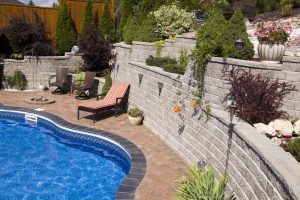
A well-designed hardscape can transform your outdoor space, boosting both functionality and curb appeal. Whether you’re updating a patio, walkway, or retaining wall, choosing the right materials is key. At Hardscape Restoration, we specialize in restoring and maintaining hardscapes, helping homeowners get the most out of their outdoor investments. Let’s dive into the best materials for hardscaping and what makes each one a great option.
- Natural Stone: Timeless & Elegant
Pros: Long-lasting, visually appealing, blends naturally into landscapes
Cons: Higher cost, requires skilled installation
Best For: Patios, walkways, retaining walls
If you’re aiming for a luxurious, timeless aesthetic, natural stone is a top choice. Materials like bluestone, flagstone, and granite offer a high-end look and incredible durability. While installation can be labor-intensive, the result is a long-lasting and beautiful hardscape that blends seamlessly with the environment.
- Pavers: Versatile & Customizable
Pros: Available in various colors and styles, easy to replace, low maintenance
Cons: Can shift over time if not installed properly
Best For: Driveways, patios, walkways
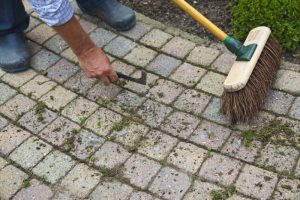
Pavers, whether made of concrete or brick, provide a classic, customizable option for hardscaping. They are interlocking, making them easier to repair compared to a poured concrete surface. With proper installation, pavers can last decades with minimal maintenance.
- Concrete: Affordable & Durable
Pros: Budget-friendly, customizable with stamping or staining, durable
Cons: Prone to cracking, may require sealing
Best For: Driveways, patios, pool decks
Concrete remains a go-to material for hardscaping due to its affordability and durability. With advancements in design, homeowners can now opt for stamped or stained concrete that mimics the look of stone or brick. However, cracking can occur over time, especially in climates with extreme temperature fluctuations.
- Gravel: Low-Cost & Easy to Install
Pros: Inexpensive, excellent drainage, easy to install
Cons: Can shift, requires occasional raking
Best For: Pathways, driveways, garden accents
Gravel is a great option for those looking for a budget-friendly and low-maintenance solution. It allows for excellent water drainage, making it a practical choice for pathways and driveways. However, it does require occasional maintenance, such as raking and replenishing over time.
- Wood: Warm & Natural
Pros: Natural look, can be stained or painted, great for raised structures
Cons: Requires sealing and maintenance, susceptible to rot
Best For: Decks, pergolas, raised garden beds
While not a traditional hardscaping material, wood is often used for features like decks, pergolas, and raised garden beds. It adds warmth and a natural feel to outdoor spaces but does require regular maintenance to prevent rot and deterioration.
Choosing the Right Material for Your Hardscape
When selecting a hardscaping material, consider your budget, desired aesthetics, and maintenance commitment. If you’re unsure which option is best for your space, Hardscape Restoration is here to help! We specialize in restoring patios, walkways, and retaining walls, ensuring your hardscape looks its best for years to come.
Restore Your Hardscape with Hardscape Restoration
Has your patio or walkway seen better days? Don’t replace it—restore it! Hardscape Restoration provides professional cleaning, sealing, and repair services to bring your outdoor space back to life. Contact us today at restoremypatio.com to learn more about how we can help preserve your hardscape investment.